



















12 Rabi-ul-Awwal: Eid Milad-un-Nabi (PBUH) Significance, History and Message of Love
Learn about the significance of 12 Rabi-ul-Awwal, Eid Milad-un-Nabi (PBUH), its spiritual importance, traditions, and the timeless message of love, mercy and compassion taught by the Holy Prophet Muhammad (PBUH).
Introduction
The arrival of Rabi-ul-Awwal holds a special place in the hearts of Muslims around the world. The month is associated with the blessed life of Hazrat Muhammad (PBUH), the final Prophet of Islam, whose teachings transformed human society and established enduring principles of mercy, justice, compassion, patience and brotherhood.
12 Rabi-ul-Awwal is observed by many Muslims as Eid Milad-un-Nabi (PBUH), a day on which gatherings, religious programs, Seerat-un-Nabi sessions, Naat recitations and other expressions of devotion are held to remember the life and character of the Holy Prophet (PBUH).
Across Pakistan, the occasion is marked with religious gatherings, illuminated streets and mosques, Naat competitions, processions, charitable activities and special prayers. For many communities, the occasion provides an opportunity not only to express love for the Prophet (PBUH), but also to reflect on how his teachings can be incorporated into everyday life.
What is 12 Rabi-ul-Awwal?
Rabi-ul-Awwal is the third month of the Islamic lunar calendar. The month has profound significance in Islamic history because of its association with important events in the life of Prophet Muhammad (PBUH).
The date 12 Rabi-ul-Awwal is traditionally observed by many Muslims as the occasion of the birth of the Holy Prophet (PBUH). Historical sources differ regarding the precise date of his birth, and Muslims and Islamic scholars have held different views on the matter. Nevertheless, 12 Rabi-ul-Awwal has become a widely recognized date for Milad gatherings in many parts of the Muslim world.
The Life and Message of Prophet Muhammad (PBUH)
The life of Prophet Muhammad (PBUH), known as Seerat-un-Nabi, provides Muslims with guidance on personal character, family relationships, social responsibility and relations with others.
Before receiving prophethood, Muhammad (PBUH) was widely respected for his honesty and trustworthiness. His character continued to be a central part of his mission, and his life demonstrated the importance of truthfulness, forgiveness, humility and compassion.
The Prophet (PBUH) emphasized the rights of parents, neighbors, relatives, orphans and the vulnerable. He encouraged kindness toward people and stressed that faith should be reflected through good character and responsible conduct.
Significance of Eid Milad-un-Nabi
For those who observe Eid Milad-un-Nabi, the occasion is an opportunity to remember the extraordinary life and teachings of the Holy Prophet (PBUH).
The central message of the occasion goes beyond decorations and public celebrations. It encourages Muslims to study the Seerah and translate its lessons into practical actions.
Among the values associated with the life and teachings of the Prophet (PBUH) are:
-
Mercy and compassion: Showing kindness toward others and helping those in need.
-
Truthfulness: Maintaining honesty in personal and professional life.
-
Justice: Treating people fairly regardless of their social status.
-
Forgiveness: Responding to difficulties with patience and restraint.
-
Brotherhood: Promoting unity, cooperation and mutual respect.
-
Charity: Supporting the poor, needy and disadvantaged.
-
Respect for parents: Recognizing the importance of family responsibilities.
-
Good character: Demonstrating patience, humility, honesty and kindness.
How Eid Milad-un-Nabi Is Observed
Milad celebrations differ from country to country and community to community. In Pakistan, the occasion is often marked through a variety of religious and community activities.
Naat Recitations
Naat is one of the most prominent forms of expressing love and devotion to the Holy Prophet (PBUH). Special Naat gatherings and competitions are organized in schools, colleges, mosques and community centers during Rabi-ul-Awwal.
Students and young people often participate in these programs, providing them with an opportunity to learn about the Prophet's life and Islamic values.
Seerat-un-Nabi Gatherings
Religious scholars and speakers deliver lectures focusing on the life, character and teachings of Prophet Muhammad (PBUH). These gatherings can help communities understand the practical lessons contained in the Seerah.
Decorations and Illumination
In many Pakistani cities, streets, markets, mosques and public spaces are decorated with lights, banners and Islamic-themed decorations during Rabi-ul-Awwal.
The illuminated surroundings create a festive atmosphere and reflect the importance many communities attach to the occasion.
Milad Processions
In various cities, organized Milad processions are held in which participants recite Durood and Naat and carry banners expressing love for the Holy Prophet (PBUH). Such activities are generally organized by religious and community groups.
Charity and Community Service
One of the most meaningful ways to commemorate the occasion is through helping others. Food distribution, charity drives, assistance to needy families and other welfare activities can turn the spirit of the occasion into practical community service.
The Importance of Seerat-un-Nabi in Everyday Life
Remembering the Prophet (PBUH) should not be limited to a single day or month. His life offers lessons that can guide everyday decisions and relationships.
In the workplace, his teachings encourage honesty and fairness. In families, they highlight kindness, respect and responsibility. In communities, they promote cooperation, compassion and concern for others.
For young people, studying Seerat-un-Nabi can provide examples of leadership, patience, courage and perseverance.
Eid Milad-un-Nabi and the Spirit of Unity
Rabi-ul-Awwal can also serve as an opportunity to promote harmony and social unity. Communities can use the occasion to come together for positive activities, support charitable initiatives and strengthen relationships among neighbors.
In an era when societies face social, economic and humanitarian challenges, the values of compassion, justice, tolerance and service remain particularly relevant.
Celebrating Responsibly
While communities prepare for Milad celebrations, it is important to ensure that activities remain peaceful, respectful and considerate of others.
Organizers can focus on meaningful religious programs, community welfare, cleanliness and responsible use of public spaces. Traffic management, public safety and environmental considerations can also help ensure that celebrations remain organized and beneficial for everyone.
12 Rabi-ul-Awwal 2026
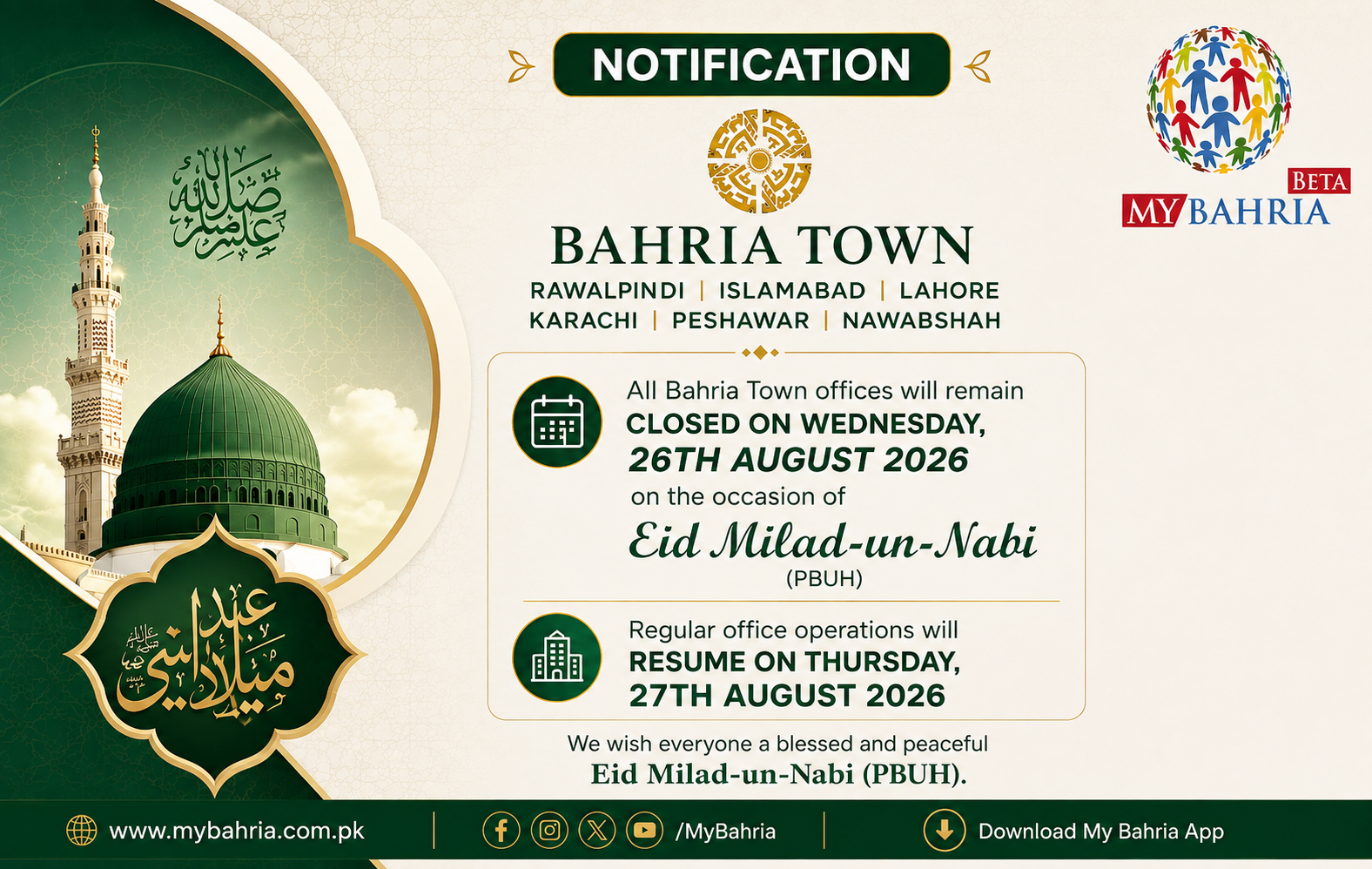
In 2026, Muslims observing Eid Milad-un-Nabi will once again come together during Rabi-ul-Awwal to remember the life and teachings of the Holy Prophet Muhammad (PBUH).
The exact Gregorian date corresponding to 12 Rabi-ul-Awwal can vary according to moon sighting and the Islamic lunar calendar. Therefore, official announcements from relevant religious authorities should be followed for the confirmed date and public holiday information in Pakistan.
A Message for the New Generation
The most valuable legacy of the Prophet Muhammad (PBUH) is not simply the celebration of his birth but the effort to understand and follow his teachings.
Parents, teachers and community leaders can use Rabi-ul-Awwal as an opportunity to introduce children and young people to the Seerah in an accessible and meaningful way. Lessons about honesty, kindness, respect, patience, forgiveness and service can help shape responsible and compassionate members of society.
12 Rabi-ul-Awwal and Eid Milad-un-Nabi (PBUH) hold deep emotional and spiritual significance for millions of Muslims. The occasion provides an opportunity to remember the life, character and teachings of Prophet Muhammad (PBUH), while encouraging communities to promote compassion, unity, justice and service.
As streets and mosques are illuminated and people gather for Naat and Seerat programs, the deeper message of Rabi-ul-Awwal remains one of love, mercy, good character and devotion.
The best way to honor the legacy of the Holy Prophet (PBUH) is to carry these values beyond the celebrations and reflect them in our daily lives—through honesty in our dealings, kindness toward others, respect for our families and neighbors, and support for those in need.

